
Does Your Home Have Poly-B Pipes? A Victoria Homeowners Guide To Dealing With Poly-B Pipes.
If your home was built between the late 1970s and the mid-1990s, there’s a good chance it contains Poly-B (polybutylene) plumbing. While this plumbing material was once considered an affordable alternative to copper, it has become a growing concern for homeowners throughout the British Columbia Islands, including surrounding areas such as Victoria, Nanaimo, Duncan, Parksville, Lantzville, and Ladysmith.
Today, Poly-B isn’t just a plumbing issue, it’s also an insurance issue.
Many homeowners don’t realize they have Poly-B until they experience a leak, receive a notice from their insurance provider, or discover it during a home inspection. By then, the costs can be significant.
In this guide, we’ll explain what Poly-B piping is, why insurance companies in BC are paying close attention to it, and what you can do to protect both your home and your insurance coverage.
What Is Poly-B Plumbing?
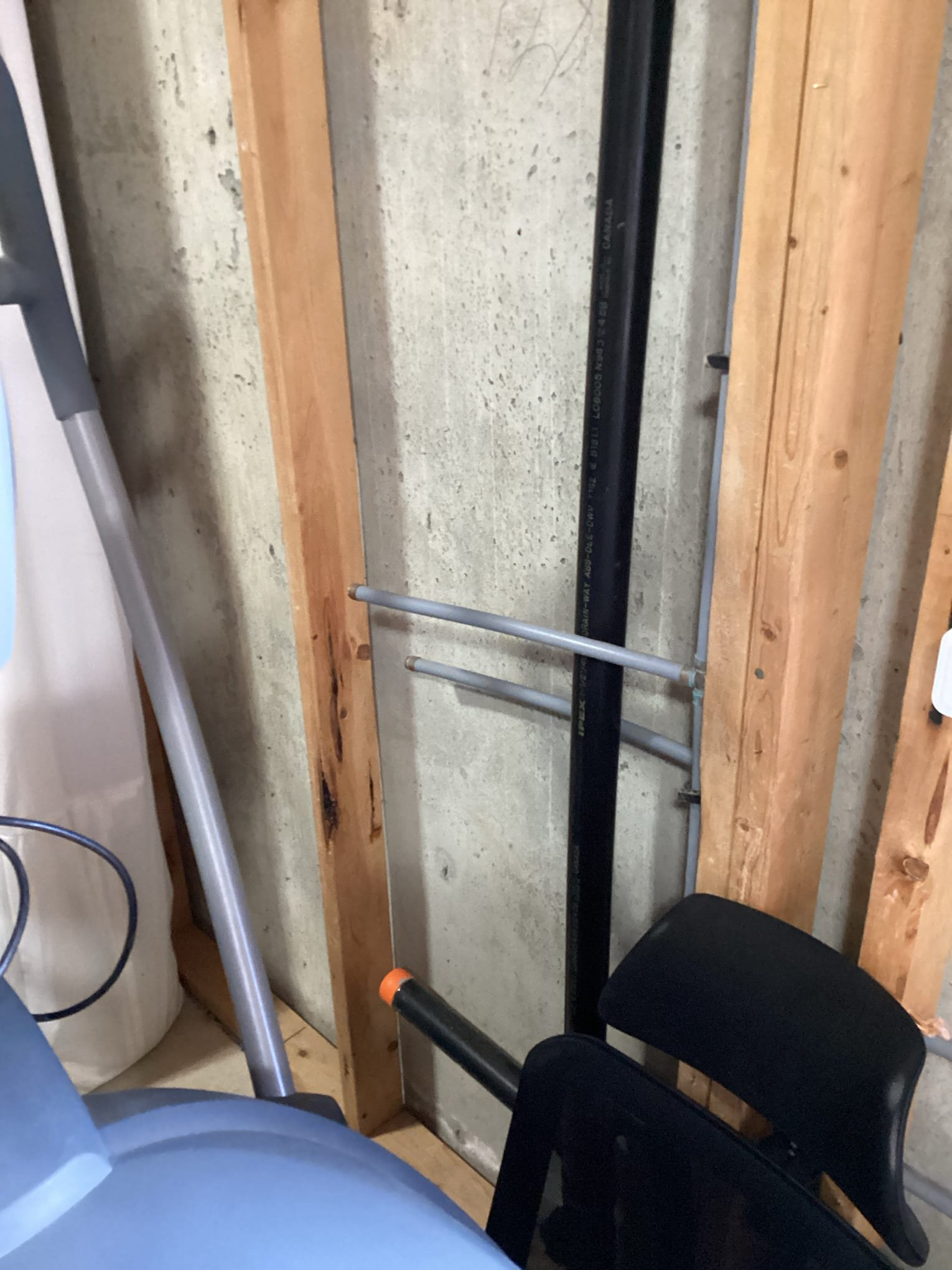
Polybutylene, commonly known as Poly-B, is a flexible grey plastic water supply pipe that was widely installed in Canadian homes between approximately 1978 and 1995. It became popular because it was less expensive and easier to install than copper piping.
Although it was once considered a reliable plumbing solution, decades of use have revealed that Poly-B can deteriorate over time, especially when exposed to chlorinated municipal water. As the material ages, it becomes more susceptible to cracking, leaks, and sudden failures.
Why Is Poly-B a Concern?
One of the biggest challenges with Poly-B is that it often fails without obvious warning signs.
Unlike copper pipes, which may corrode visibly, Poly-B can weaken internally while appearing perfectly normal on the outside. A pipe may function for years before suddenly developing a leak behind a wall or beneath a floor.
Water damage caused by hidden plumbing leaks can result in:
- Damaged drywall
- Flooring replacement
- Mold growth
- Structural repairs
- Insurance claims
- Temporary relocation during repairs
For many homeowners, repairing the water damage ends up costing significantly more than replacing the plumbing itself.
How Does Poly-B Affect Home Insurance in BC?
In recent years, many insurance providers across British Columbia have begun treating Poly-B plumbing as a higher-risk material because of its history of water damage claims.
Depending on the insurer, having Poly-B in your home may result in:
- Higher insurance premiums
- Increased water damage deductibles
- Water damage exclusions
- Requests for plumbing inspections
- Requirements to replace the plumbing before renewing coverage
Insurance policies vary between providers, so it’s important to speak directly with your insurance company to understand how Poly-B may affect your specific policy.
Can You Still Get Insurance If You Have Poly-B?
Yes-but coverage may come with conditions.
Some insurers continue to provide coverage for homes with Poly-B, while others may:
- Charge higher premiums
- Increase deductibles for water damage
- Require documentation about the condition of the plumbing
- Request proof of replacement within a specified timeframe
Because underwriting guidelines differ, homeowners should never assume that all insurance companies treat Poly-B the same way. It’s always best to review your policy with your insurance provider or broker before a problem occurs.
How Do I Know If My Home Has Poly-B?
A good starting point is the age of your home. Poly-B pipes are typically found in homes located on the BC islands and the surrounding BC area in locations such as Victoria, Nanaimo, Duncan, Parksville, Coquitlam, and Burnaby. Homes built between 1978 and 1995 are the most likely to contain Poly-B plumbing, although some renovations completed during that period may also have used the material.
You may be able to identify Poly-B by looking:
- Near your hot water tank
- Around the main water shut-off valve
- Under sinks
- In unfinished basements
- In utility or mechanical rooms
Poly-B is typically:
- Grey in colour
- Flexible rather than rigid
- Approximately ½” or ¾” in diameter
Because much of the plumbing is hidden behind walls, a licensed plumber can confirm whether your home contains Poly-B and identify the extent of the system.
Should You Replace Poly-B Plumbing?
While not every Poly-B system fails immediately, replacement is generally considered the most reliable long-term solution.
Replacing Poly-B can help homeowners:
- Reduce the risk of unexpected leaks
- Protect their home from costly water damage
- Improve resale value
- Simplify future home inspections
- Maintain broader insurance options
Many homeowners choose to replace Poly-B proactively rather than waiting for a plumbing emergency.
What Happens During a Poly-B Replacement?
A professional repiping project typically includes:
- Inspection of the existing plumbing
- Planning the replacement route
- Installing new PEX or copper piping
- Pressure testing the new system
- Repairing access points
- Final inspection
The exact timeline depends on the size and layout of the home, but many projects can be completed within just a few days.
Is Poly-B Replacement Worth It?
Replacing Poly-B pipes can be a significant investment. The cost of replacement can vary quite a bit with the size of the home however the usual range is somewhere between $6,000-$18,000. Despite the cost, homeowners find it worthwhile because it helps avoid much larger expenses caused by water damage.
Benefits include:
- Greater peace of mind
- Reduced risk of emergency plumbing failures
- Improved property value
- Easier home sales
- Better long-term insurability
For homeowners planning to stay in their home for many years, replacing Poly-B can be a proactive investment in protecting one of their largest assets.
Why Choose The Comfort Group?
At The Comfort Group, our experienced plumbing professionals help homeowners throughout British Columbia identify and replace aging Poly-B plumbing systems with modern, reliable materials.
From the initial inspection to the final installation, we focus on quality workmanship, clear communication, and long-term solutions that help protect your home.
If you’re unsure whether your home has Poly-B, or you’ve been contacted by your insurance provider about your plumbing, our team can help you understand your options.
Schedule Your Poly-B Plumbing Inspection Today
If your home was built between 1978 and 1995, now is the perfect time to determine whether Poly-B plumbing is hidden behind your walls.
A professional inspection can help you understand the condition of your plumbing, reduce the risk of unexpected leaks, and prepare for conversations with your insurance provider.
Contact The Comfort Group today to schedule a Poly-B inspection or learn more about our professional repiping services. Protect your home, your investment, and your peace of mind with expert plumbing solutions you can trust.