
Do You Need a Whole-Home Humidifier in Victoria, BC? Understanding Indoor Humidity
When it comes to indoor comfort, humidity plays an important role in how your home feels throughout the year. While many homeowners associate dry indoor air with colder weather, maintaining balanced humidity can be more complicated in coastal communities like Victoria, BC.
With its mild temperatures, frequent rainfall, and damp coastal conditions, Victoria homes can experience different indoor moisture challenges than homes in colder, drier regions. While some households may benefit from adding moisture to the air, others may already have enough humidity indoors.
Before considering a whole-home humidifier, it is important to understand your home’s existing humidity levels. Adding moisture when it isn’t needed can contribute to condensation and other moisture-related problems.
So, how do you know whether your home needs a humidifier? Here’s what Victoria homeowners should understand about indoor humidity and maintaining a comfortable living environment.
What Is a Whole-Home Humidifier?
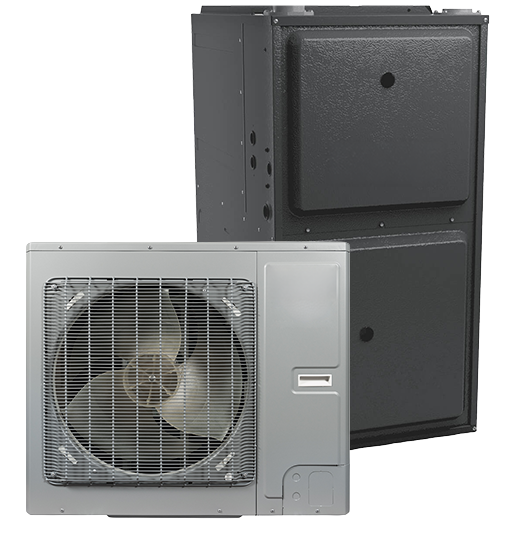
A whole-home humidifier is designed to work alongside your home’s HVAC system to help regulate indoor moisture levels. Usually connected to the furnace and ductwork, it introduces water vapour into the air as it moves through your heating system, allowing moisture to reach multiple rooms.
This type of system offers a different approach from portable humidifiers, which are generally intended for smaller, individual spaces. A whole-home unit can provide more centralized humidity control across the house.
Depending on the model, built-in controls or a humidistat allow you to monitor indoor humidity and adjust settings as needed.
However, adding moisture is not always the right solution, particularly in a coastal climate like Victoria’s, where damp conditions can already affect some homes. Before considering installation, it is important to assess your indoor humidity levels and determine whether additional moisture is actually needed.
Does Your Victoria Home Actually Need a Whole-Home Humidifier?
Living in Victoria means experiencing a coastal climate where rainfall and damp conditions are common throughout much of the year. However, outdoor moisture levels do not necessarily reflect the humidity inside your home.
During the heating season, cold outdoor air enters your home and becomes warmer. As its temperature increases, its relative humidity decreases, which can leave indoor air feeling dry even when outdoor conditions are damp.
On the other hand, if you regularly notice condensation on windows, damp surfaces, or persistent musty smells, your home may already have excess moisture.
Before installing a whole-home humidifier, consider using a hygrometer to measure your indoor relative humidity. This simple device can help you understand whether your home needs additional moisture or whether you should focus on reducing excess humidity instead.
Dry Air vs. Damp Indoor Air: How Can You Tell the Difference?
Knowing whether your home’s air is too dry or too damp can help you determine what steps to take to improve indoor comfort. Although both conditions can affect your home, they have different warning signs.
Signs of Dry Indoor Air
When indoor humidity is too low, you may notice:
- Dry, itchy skin or chapped lips.
- Irritation in your nose and throat.
- Increased static electricity.
- Wooden furniture or flooring becoming dry or developing small cracks.
These signs may indicate that your home could benefit from additional moisture, particularly during periods when your heating system is running regularly.
Signs of Excess Indoor Moisture
Too much moisture indoors can create a different set of problems. Common warning signs include:
- Condensation collecting on windows.
- Damp areas around walls, ceilings, or window frames.
- Persistent musty smells in certain rooms.
- Visible mould or mildew around moisture-prone areas.
A hygrometer can help you measure your home’s relative humidity rather than relying entirely on how the air feels. However, it is also important to investigate other potential causes of moisture, such as plumbing leaks, poor ventilation, or water entering through the building exterior.
Understanding these differences can help you avoid adding unnecessary moisture to your home.
How Can You Keep Indoor Moisture Levels Balanced in Victoria?
Most homes benefit from indoor relative humidity levels of approximately 30%–50%. However, the ideal range depends on outdoor temperatures, window conditions, ventilation, and the overall construction of your home.
In Victoria, homeowners should pay particular attention to condensation during periods of cooler, damp weather. Even if your indoor humidity feels comfortable, moisture can collect on colder window surfaces when the indoor air contains more moisture than those surfaces can accommodate.
If your humidity is consistently high, adding moisture with a humidifier may make the problem worse. On the other hand, if humidity is too low, a whole-home humidifier may help restore a more comfortable balance.
A hygrometer can help you monitor indoor conditions and determine whether adjustments are needed. Rather than aiming for one fixed humidity setting throughout the year, pay attention to changing weather conditions and signs of condensation or excessive dryness.
How Can You Improve Indoor Air Comfort Without Adding Too Much Moisture?
If your Victoria home already has relatively high humidity levels, installing a humidifier may not be the best solution. Instead, there are several ways to improve indoor comfort while keeping moisture under control.
1. Monitor Your Indoor Humidity
A hygrometer is a useful tool for keeping track of indoor humidity levels. Checking your home’s moisture levels regularly can help you identify whether the air is too dry or too damp before making any adjustments.
2. Improve Ventilation
Proper ventilation helps remove excess moisture from indoor spaces. Using bathroom exhaust fans while showering and kitchen range hoods while cooking can help prevent moisture from building up.
Make sure exhaust fans are vented outdoors and operating properly. This is particularly important in rooms where moisture tends to accumulate.
3. Address Sources of Excess Moisture
If you notice damp areas or persistent condensation, it is important to identify where the moisture is coming from.
Leaking pipes, roof damage, and water entering around windows can all contribute to indoor moisture problems. Addressing these issues can help prevent further damage and reduce the risk of mould growth.
4. Check Your Home’s Insulation and Air Sealing
Poor insulation and air leaks can contribute to cold surfaces where indoor moisture collects as condensation. Improving insulation and sealing gaps around windows and doors can help maintain more consistent indoor temperatures and reduce condensation risks.
Taking these steps can help improve your home’s overall comfort without introducing more moisture than necessary.
Is a Whole-Home Humidifier Right for Your Victoria Home?
While some homeowners benefit from having a whole-home humidifier, it is not necessarily the right solution for every household. The best approach depends on your home’s existing humidity levels, ventilation, insulation, and overall indoor conditions.
A whole-home humidifier may be worth considering if you regularly experience dry skin, irritated airways, or other signs of low humidity, particularly during the heating season.
However, if your home already feels damp or you frequently notice condensation on your windows, it is important to investigate those conditions before adding moisture.
An HVAC professional can assess your existing heating equipment, help identify potential humidity concerns, and determine whether a whole-home humidifier is appropriate for your home.
At Comfort Group, homeowners in Victoria and surrounding communities can get professional guidance on their home comfort needs, including humidifier installation, repair, and maintenance.
Find the Right Humidity Balance for Your Home with Comfort Group
Maintaining comfortable indoor humidity is about finding the right balance for your home. While dry indoor air can cause discomfort, excess moisture can contribute to condensation and other problems, particularly in Victoria’s damp coastal climate.
Before investing in a whole-home humidifier, take the time to understand your home’s humidity levels and identify any existing moisture concerns. If additional moisture is needed, choosing the right system and keeping up with regular maintenance can help support a more comfortable indoor environment.
Whether you live in James Bay, Fairfield, Oak Bay, or Saanich, Comfort Group can help you determine whether a whole-home humidifier is the right choice for your property. Contact our team at (778) 716-2498 to learn more about humidifier installation, repair, and maintenance services in Victoria, BC.