
Victoria Ductless Heat Pump Maintenance Checklist for Coastal Humidity: Filters, Drainage, and Outdoor Unit Clearances
Why Does Coastal Humidity Change Heat Pump Maintenance In Victoria?
When a heat pump cools (or dehumidifies), it pulls moisture from the air and sends it to a drain. In a damp coastal climate, condensation can occur more frequently, and debris or biofilm buildup can appear sooner. If airflow is restricted or drainage is sluggish, you may notice odours, dripping, or uneven comfort.
Health Canada’s moisture and mould guidance emphasizes that indoor moisture problems should be addressed promptly to reduce the risk of mould growth.
What Is The Safest Monthly Checklist For A Ductless Heat Pump?
This simple routine works well for many ductless heat pump systems without drifting into risky DIY.
Homeowner OK (Monthly During Heavier Use):
- Clean or rinse indoor filters (follow your owner’s manual).
- Confirm airflow is unobstructed (no furniture, curtains, or shelves blocking the indoor head).
- Do a moisture scan (check for damp drywall, staining, or repeated drips under the indoor head).
- Do an odour check (persistent musty smells are a reason to investigate, not just mask).
Avoid (Pro-Only Tasks):
- Opening sealed panels
- Electrical or control diagnostics
- Any refrigerant-related work
- Internal coil or drain cleaning with tools/chemicals
BC Hydro flags filter cleaning and simple outdoor checks as core homeowner maintenance habits.
NRCan also recommends regularly inspecting, cleaning, or replacing filters to keep heating and cooling systems operating efficiently.
How Do You Clean Ductless Heat Pump Filters Safely?
Filter access varies by model, but most ductless heads have washable mesh filters behind the front panel.
Safe Steps:
- Turn the unit off using the remote.
- Open the front panel and remove the filters.
- Vacuum gently, or rinse with water if your manual allows.
- Let filters dry fully before reinstalling.
Good To Know: If airflow remains weak after filter cleaning, it may indicate a deeper buildup or a fan issue that requires HVAC maintenance rather than DIY troubleshooting.
What Drainage And Condensation Checks Help Prevent Leaks And Musty Smells?
Condensation is normal, but it should drain away cleanly. Your goal as a homeowner is a visual check, not a repair.
Signs Drainage May Not Be Working Well:
- Repeated dripping during cooling
- Water staining under the indoor head
- Dampness that returns after drying
- A musty smell that persists after filter cleaning
Homeowner-Safe Checks:
- Look for an accessible, visible section of the drain line and ensure it isn’t kinked or pinched behind furniture.
- Check the area beneath the indoor head for damp drywall or staining.
- If odours appear only at startup, monitor whether they fade after the filters are cleaned and airflow improves.
If you see active dripping indoors, it’s safer to stop the system and book a heat pump repair in Victoria rather than experimenting with drain “flushes.”
What Outdoor Unit Clearances Should You Keep In Wet, Windy Seasons?
Outdoor airflow matters year-round, and coastal debris can build up quickly after storms.
Seasonal Outdoor Checklist (Four Times Per Year):
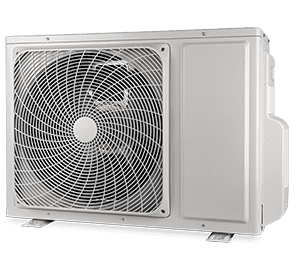
- Clear leaves, needles, and debris around the unit.
- Keep shrubs and stored items away so the unit can “breathe.”
- Check for pooling water around the base and keep drainage paths open.
- After windstorms, do a quick visual check for obvious damage or loose panels.
BC Hydro specifically highlights keeping the outdoor unit clear of debris and maintaining airflow as practical maintenance steps.
How Often Should You Book Professional Heat Pump Maintenance In Victoria?
A practical baseline is every one to two years, or sooner if your system runs hard year-round or you notice warning signs such as odours, reduced airflow, or moisture issues. BC Hydro recommends regular maintenance every 1–2 years and routine filter cleaning.
This approach also helps you plan heat pump maintenance proactively rather than reacting during the first hot week or a cold snap.
What Early Warning Signs Mean You Should Call A Technician?
Use this decision list. If you notice any of the following, it’s usually time to book service:
- Persistent musty odours that return after filter cleaning
- Repeated dripping, staining, or damp drywall near an indoor head
- Noticeably reduced airflow from one head compared to others
- Unusual fan noise, frequent starts/stops, or comfort swings
- Performance that changes suddenly after a storm or a long wet stretch
These symptoms often connect to drainage, airflow, or internal cleaning needs that should be handled professionally.
Does Filter Care Really Affect Comfort And Indoor Air Quality?
Yes. Filter care supports airflow, and airflow affects both comfort and how hard the system has to work. When airflow is restricted, you may notice reduced heating/cooling, greater temperature swings, or longer run times. For many homes, filter habits are the most impactful step homeowners can take for steadier comfort in a heat pump setup.
If You Are Planning An Upgrade, What Should You Know About Ductless Heat Pumps?
Ductless systems can be a strong fit when zoned comfort is important or when ductwork is limited. For heat pump installations, sizing and placement matter for long-term comfort and performance, including where indoor heads are mounted and how drainage is routed.
NRCan provides general consumer guidance on heat pumps as a heating and cooling option in Canada.
What Is A Simple Coastal Humidity Maintenance Schedule You Can Follow All Year?
Here’s a low-effort schedule that keeps you consistent without overcomplicating it.
Monthly (During Heavier Use):
- Clean filters
- Odour and moisture scan near indoor heads
- Confirm indoor airflow is unobstructed
Seasonal (Four Times Per Year):
- Outdoor debris and clearance check
- Check for pooling water near the outdoor unit base
- Quick indoor wipe-down (no spraying cleaners into vents)
Every One To Two Years:
- Professional maintenance visit (or sooner if warning signs appear)
What Is One Safe Next Step Before Peak Season?
If filters are clean and outdoor clearances are good, but you’re still noticing odours, airflow drop, or recurring moisture, a maintenance appointment is the safest next step. It lets a technician verify drainage and system condition properly instead of you having to guess.
Book a maintenance visit with The Comfort Group to have a technician check filters, drainage, and outdoor clearances before the season ramps up.