
How a Heat Pump Protects Itself From Freezing
As temperatures drop, one common concern homeowners have is whether their heat pump will freeze over. The good news is that heat pumps are engineered with built-in protection mechanisms to prevent exactly that.
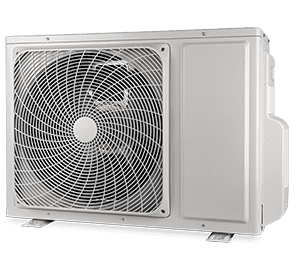
Heat pumps work by extracting heat from outdoor air and transferring it inside your home. To do this, the outdoor coil operates at a temperature that can be lower than the surrounding air. This means the coil can reach freezing temperatures even when outdoor air is still above 32°F (0°C). When humidity is present, moisture in the air condenses and freezes directly onto the coil, forming frost. Left unchecked, that frost acts as an insulating barrier, blocking heat transfer and forcing your system to work harder—eventually leading to damage.
The Defrost Cycle: Your Heat Pump’s Main Defense
The primary way a heat pump protects itself from freezing is through an automatic defrost cycle. When sensors detect that frost has built up on the outdoor coil, the system temporarily reverses its operation—switching briefly into cooling mode—to send warm refrigerant back through the outdoor coil and melt the ice. During this process, the outdoor fan shuts off to maximize heat buildup on the coil. The cycle runs until the system determines the frost has cleared, at which point it returns to normal heating operation.
A defrost cycle usually lasts only a short period of time, and how often it runs depends on the equipment and outdoor conditions. You may notice a few signs when your heat pump enters defrost mode: a brief pause in warm air delivery, a whooshing sound from the reversing valve, or steam rising from the outdoor unit as ice melts. None of these are cause for concern.
Demand Defrost vs. Time-Temperature Defrost
Not all defrost systems work the same way. Some older heat pumps use time-based defrost controls that run on a set interval rather than responding only when frost is detected. This can waste energy by running unnecessary cycles.
Newer models use demand defrost technology, which relies on sensors to monitor coil temperature and only activate the defrost cycle when frost is actually detected. This smarter approach is more energy-efficient and better suited for the variable conditions of Canadian winters, where temperatures and humidity can shift dramatically throughout the day.
Auxiliary Heat: Backup Protection During Defrost
While the heat pump is in defrost mode, it temporarily stops delivering warm air to your home. To prevent any noticeable drop in indoor temperature, most systems automatically activate auxiliary electric heating elements during the defrost cycle. This ensures your home stays comfortable even while the outdoor unit is protecting itself from ice buildup. Auxiliary heat also serves as a backup on the coldest days when outdoor temperatures push beyond the heat pump’s optimal range.
What Can Cause the Defrost System to Fail?
When the defrost cycle doesn’t function properly, ice can accumulate to the point where the unit becomes completely encased—reducing efficiency significantly and potentially causing permanent damage. Several factors can interfere with proper defrosting: faulty outdoor temperature sensors, refrigerant leaks, a malfunctioning reversing valve, debris or snow blocking airflow around the unit, or dirty air filters restricting circulation. If you notice your heat pump covered in a solid block of ice that doesn’t clear within 30 minutes, it’s time to call a technician.
How to Help Your Heat Pump Stay Frost-Free
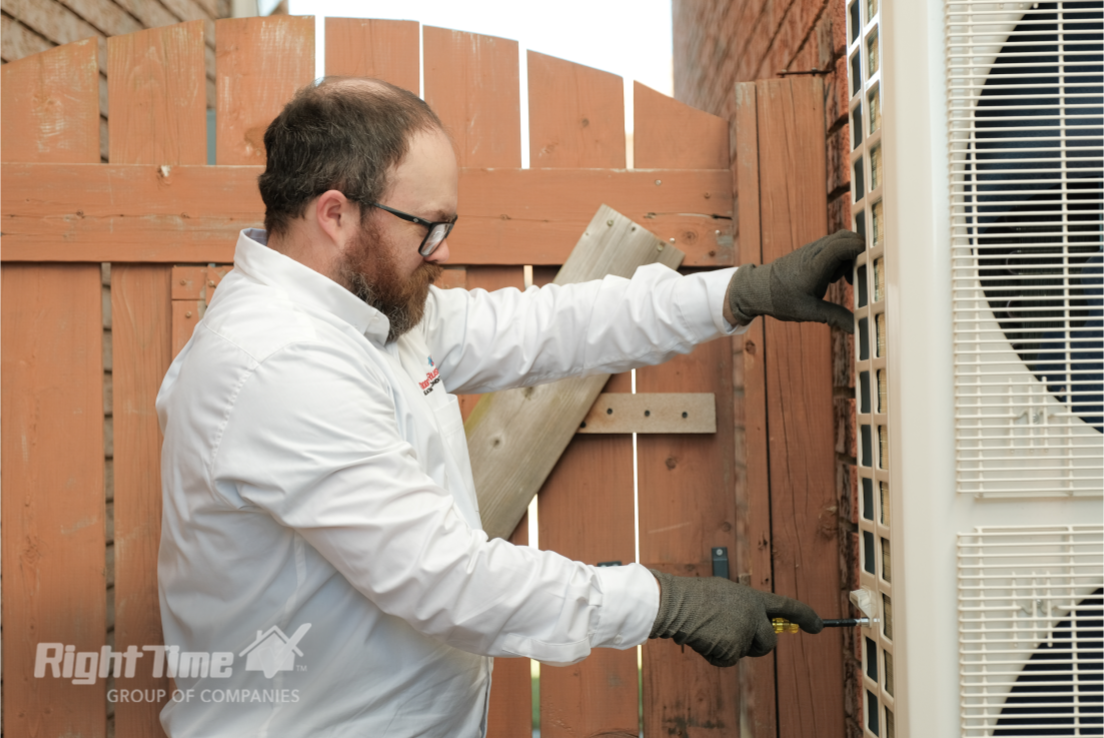
Regular maintenance is the most effective way to support your heat pump’s built-in freeze protection. Clean or replace air filters as recommended for your system, and keep the area around the outdoor unit clear of snow, leaves, and debris that can restrict airflow. Proper installation and drainage help reduce the risk of meltwater refreezing around the unit. Never cover your heat pump while it’s in operation—blocking airflow will cause the system to freeze up rather than prevent it.
If your climate subjects your unit to heavy snowfall or sustained sub-zero temperatures, scheduling a professional inspection before winter arrives ensures that sensors, refrigerant levels, and the reversing valve are all in working order—so your heat pump can keep protecting itself all season long.
Keep Your Heat Pump Running All Winter
Ensure your heat pump is running at peak efficiency with professional assistance from The Comfort Group. Our team in Victoria provides heat pump maintenance and repair services to help keep your home comfortable throughout the year. Whether it’s optimizing performance or addressing unexpected issues, we provide reliable solutions tailored to your needs. Trust The Comfort Group to deliver quality service and peace of mind. For more information, visit our page on heat pump maintenance in Victoria and discover how we can help protect your home’s heating system this winter.